
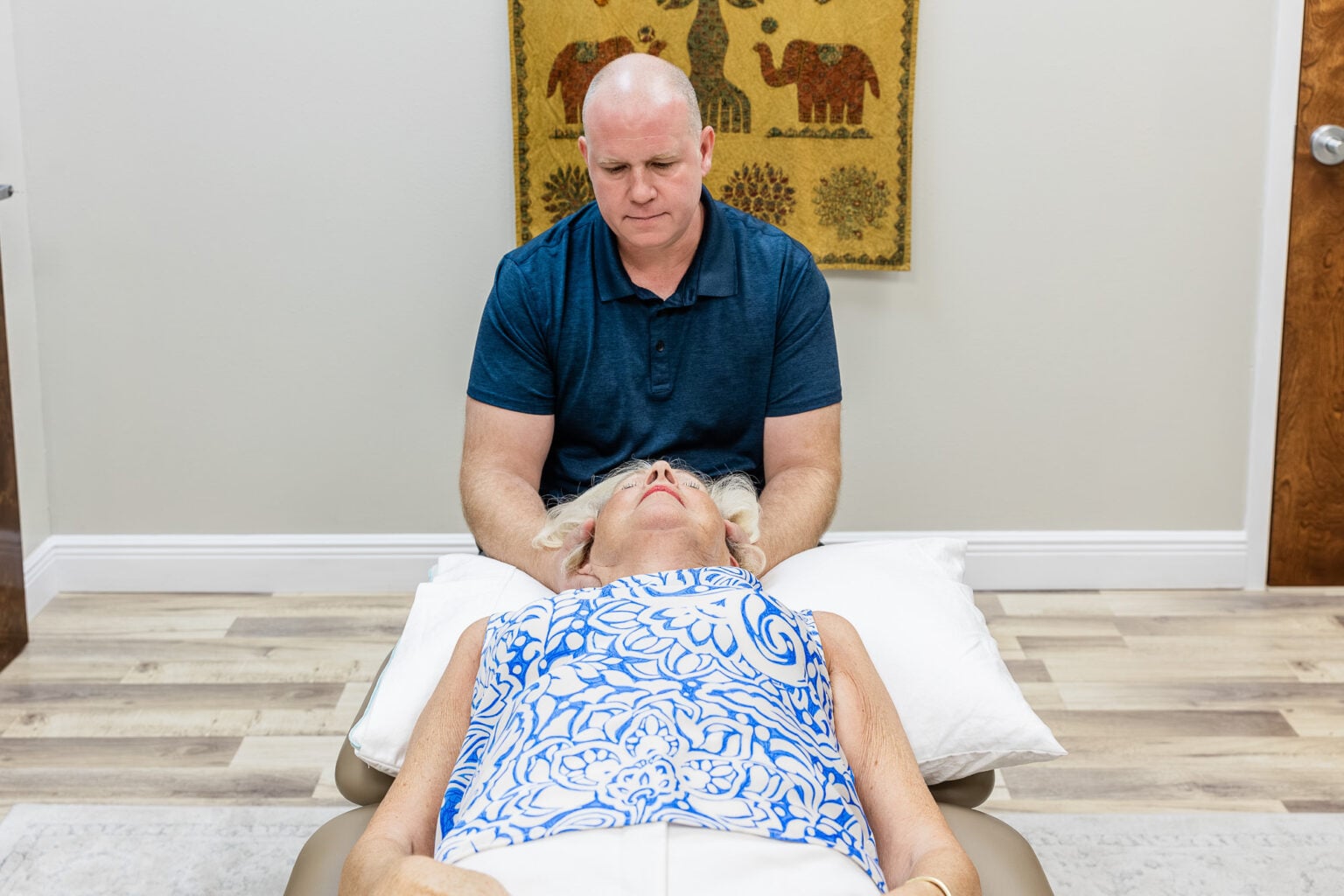
Osteopathic Healing
Hands-on osteopathic treatment for pain, injuries and the strain patterns your body has been compensating for. Shawn St. Marie, D.O. completed fellowship training in neuromuscular medicine and advanced osteopathic manipulation, and every visit includes a whole-body treatment, not just the spot that hurts.
45–60 minute visits · All ages, including newborns · Fellowship-trained D.O.
How It Works
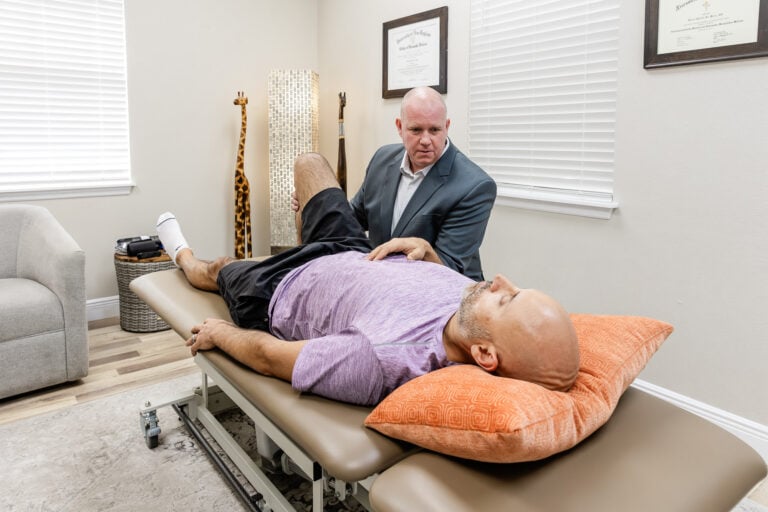
Osteopathic physicians are fully licensed medical doctors with additional training in the musculoskeletal system. We use our hands to find where motion is restricted, where tissues are strained and how one area is overloading another, then treat it directly to restore balance and support your body’s own healing.
Visits run 45 to 60 minutes and include a whole-body treatment. Alongside hands-on care, your plan can include stretches and exercises, nutrition, injections, and regenerative therapies when they’ll help you heal.
Who Benefits
An osteopathic examination is one of the most thorough ways to guide your recovery. We’ll determine whether you can heal with osteopathic treatment, would benefit from an injection, or need a surgical opinion, and help you work through whether surgery is truly needed. If it isn’t, we’ll build a plan to relieve your pain without it.
Headaches and migraines can take over your day. Many are driven by strain in the neck, the base of the skull and the upper back; others are tied to triggers like diet, stress, poor sleep, menstrual cycles or hormone imbalance. Our goal is to make them less frequent and less intense, so you depend less on medication to get through your day.
If you still have pain, or new problems with incontinence, more than six weeks after surgery, it’s worth a consultation. We’ll coordinate with your surgeon so your care stays safe and collaborative.
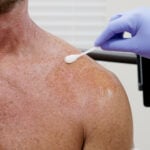
Injuries to the tendons and ligaments of the shoulder, knee, elbow, ankle and wrist are slow to heal because these tissues have a limited blood supply. We support healing with osteopathic treatment and, when it fits your injury, regenerative medicine.
Autoimmune conditions are driven by inflammation, which is often worsened by gut imbalance, inflammatory foods, poor sleep and stress. We work on all of those, and can add peptides that support immune balance and healing.
Pregnancy changes your posture, joints and ligaments, and many women develop low or upper back pain, pelvic and hip pain, rib discomfort, trouble breathing deeply, poor sleep and stress. Gentle osteopathic treatment can ease that strain and help your pelvis and body prepare for delivery.
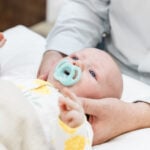
Newborns and infants can have head shape changes, a tight neck (torticollis), shoulder strain, constipation, reflux or trouble latching and feeding, often linked to strain in the neck and base of the skull from birth.
Our Approach
Gentle treatment of strain patterns in the skull, face and spine. Often used for headaches, stress, TMJ, sinus and ear congestion, and for babies after a difficult birth.
Mobilizes joints held in a restricted position by injury or repetitive strain, in the spine, pelvis or limbs. High-velocity techniques, the familiar “pop,” are only used with your permission.
A gentle, indirect technique that eases spasm in muscles and ligaments by positioning your body to reset the reflex holding the tissue tight.
You gently push against a specific resistance as the joint is moved toward its barrier, increasing range of motion and stretching tight, congested muscles.
Sustained pressure, compression or traction that helps tight muscles and fascia let go.
Balances the tension of the ligaments and fascia around each joint for better motion and support.
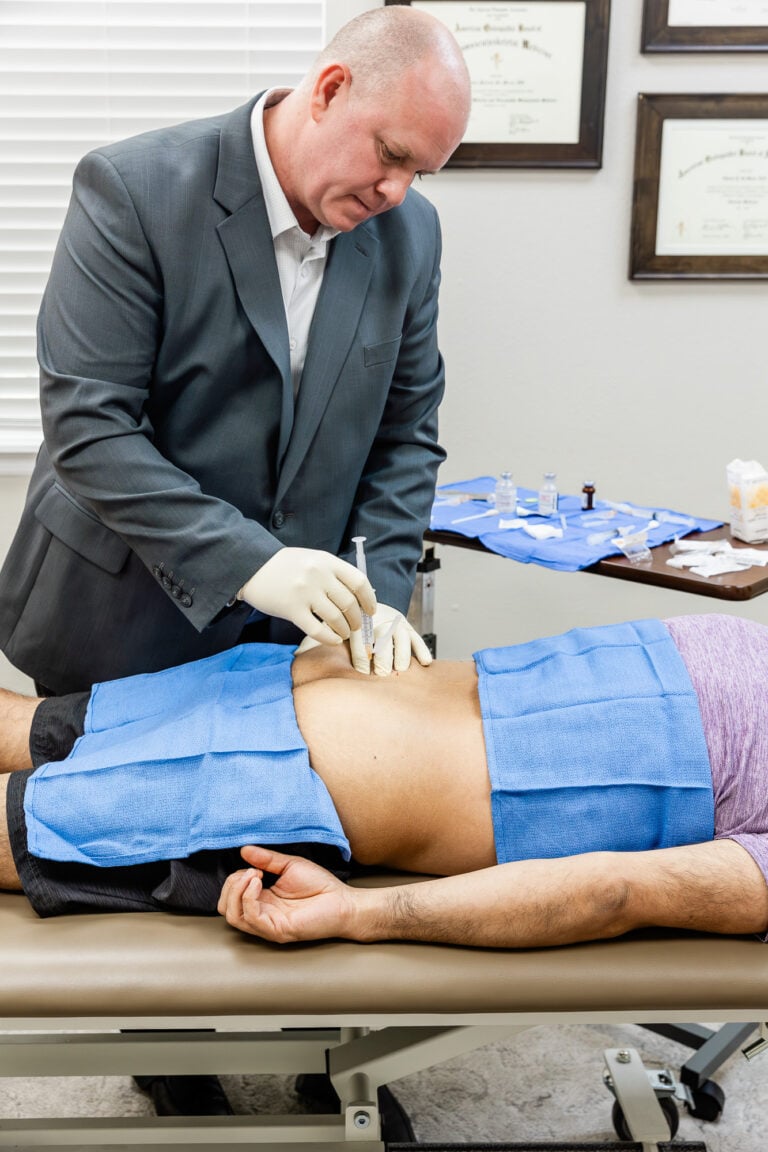
For stubborn strains, joint pain and serious ligament injuries, Dr. St. Marie can add an injection: local anesthetic, corticosteroid, dextrose prolotherapy, hyaluronic acid, or regenerative options like Wharton’s jelly and exosomes, with ultrasound guidance when it helps. Learn about orthobiologics.
Getting Started
A short call to talk through what’s going on and make sure we’re the right fit.
A detailed history and a full osteopathic, neurologic and musculoskeletal exam, usually with your first treatment in the same visit unless imaging is needed first.
Home stretches and exercises, follow-up treatments spaced to how you respond, and add-ons like injections or peptides when they’ll help.
Before Your Visit
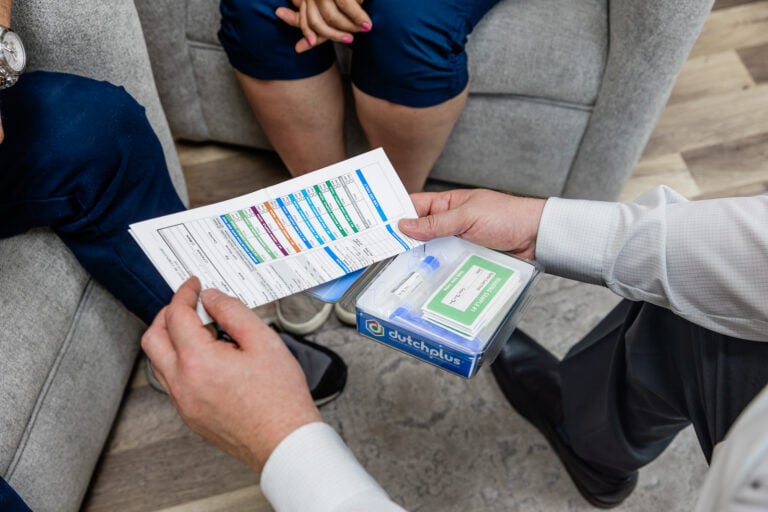
If your history is complex, write out a timeline of injuries, surgeries, hospital stays and specialist visits, and bring imaging reports and recent labs. It lets us spend your visit on the details that matter.
Flexible clothing like workout or yoga wear works best. Skip jeans, belts and dress shirts.
Family and friends are welcome in your visit. Let us know if you plan to bring more than two people.
Questions
Osteopathic visits run 45 to 60 minutes and include a whole-body treatment, so there’s time to treat the areas that are compensating, not only the one that hurts.
Yes. Osteopathic treatment is available for all ages, including newborns. Children keep their pediatrician as their primary doctor, and Dr. St. Marie works alongside them.
Some techniques overlap, but an osteopathic physician is a fully licensed medical doctor who can also examine you medically, order imaging and labs, prescribe and give injections, so your hands-on treatment and your medical care come from the same doctor.
It depends on the problem. Many people notice a difference after the first visit, and follow-ups are spaced to how you respond. We don’t sell long visit packages; the goal is to get you better and teach you how to stay that way.
The practice doesn’t bill commercial insurance. Visits are self-pay, and we provide superbills you can submit to your insurance for possible out-of-network reimbursement.
Our Integrative Services
 Neck & Back Pain
 Headaches
 Migraines
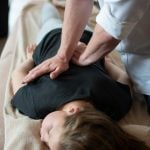 Pelvic Pain and Incontinence
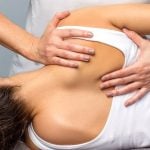 Shoulder Pain
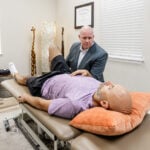 Hip, Knee, and Foot pain
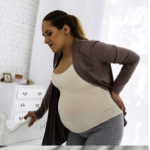 Pregnancy Pain
 Post Stroke pain & weakness
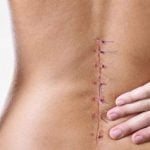 Post Operative Pain
 Complex Medical Cases
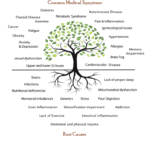 Autoimmune diseases
 Liver Health & Detoxification
 Weight loss
 Hormone imbalance
 Joint & tendon injuries
 Arthritis & degenerative wear
 Newborns & Infant issues
 Facial paralysis
 Chronic Respiratory Issues
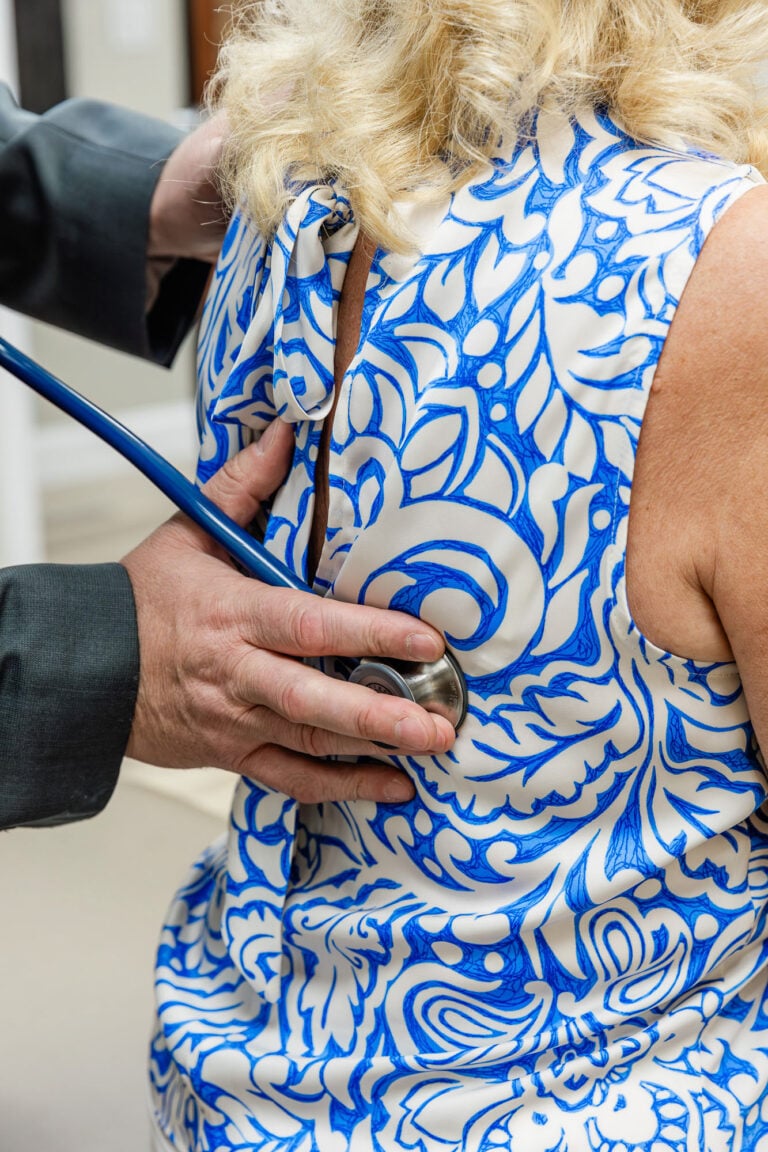
Inside our Baldwin Park office