
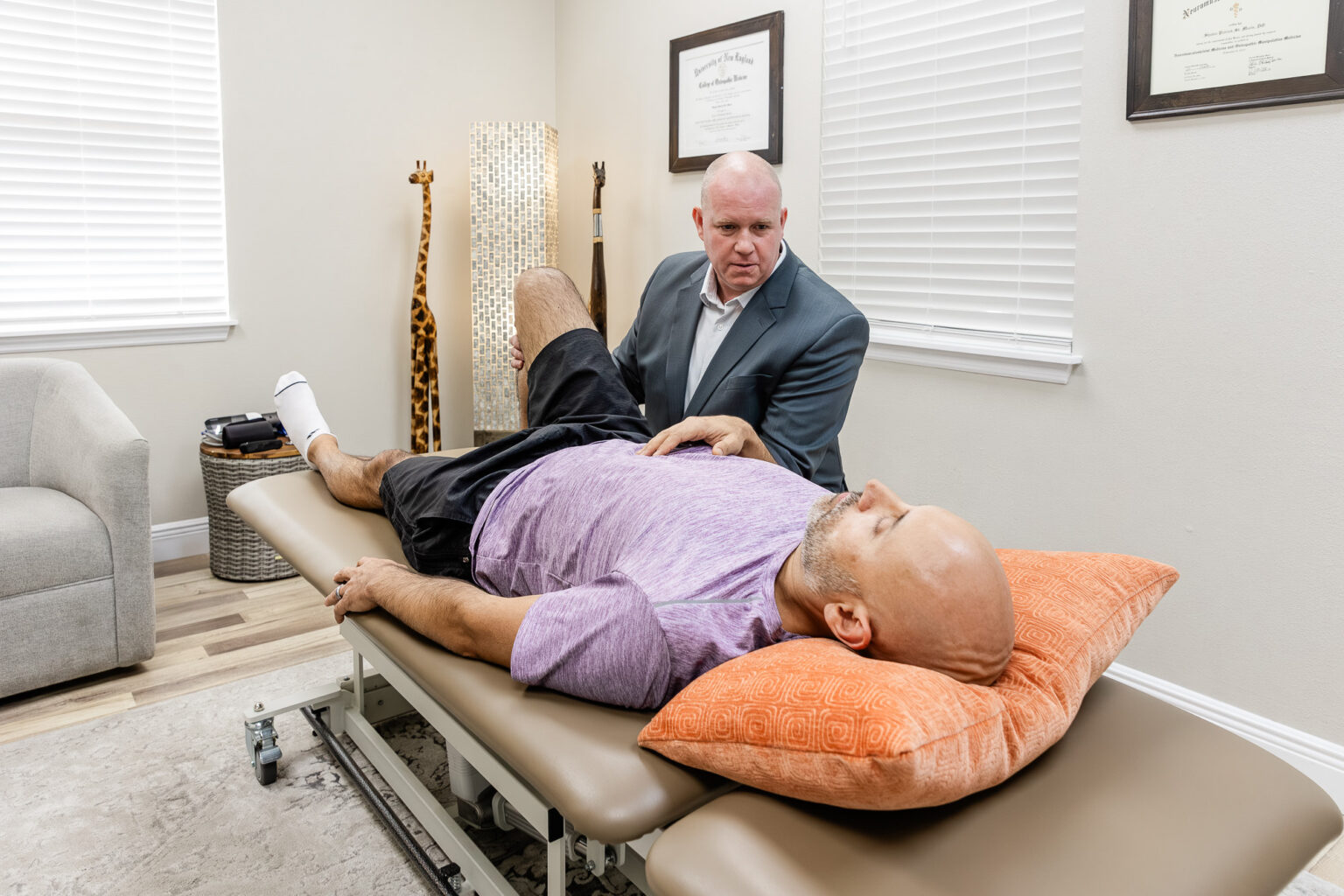
Pregnancy & Postpartum
Osteopathic treatment helps ease the back, hip, pelvic and round ligament pain that comes with pregnancy, with gentle, hands-on care positioned for your comfort as you grow. It helps your body recover after delivery too, and we coordinate every step with your OB or midwife.
Gentle, low-force techniques · Side-lying as you grow · Coordinated with your OB or midwife
Medically reviewed by Shawn St. Marie, D.O. · Updated September 2026
The Most Common Question
Two ligaments run from the top of your uterus down into the groin, one on each side. As the uterus grows in the second trimester they stretch, and a quick movement — standing up, rolling over in bed, a cough or a sneeze — can make one spasm. The result is a sharp, brief pain low in the belly or groin, often on the right, that fades within seconds to minutes.
It’s common and harmless, and gentle osteopathic work on the pelvis and abdomen can take tension off those ligaments. Because it isn’t the only thing that hurts in that spot, we ask about timing and triggers first.
Stage By Stage
Every pregnancy is different, but the mechanics follow a pattern.
The hormone relaxin peaks near the end of the first trimester, loosening ligaments before your belly shows. Low back and pelvic aches can start early, along with neck and upper-back tension.
Round ligament pain shows up as the uterus rises out of the pelvis. Low back pain becomes common as your posture shifts forward.
Pain at the front of the pelvis, pain down the back of a leg, rib pain as the baby pushes up, and numb or tingling hands.
Back and neck strain from feeding and lifting, abdominal separation, leaking, and tightness around a C-section scar.
Pelvic Girdle Pain
The two halves of your pelvis meet at the front in a joint called the pubic symphysis. In pregnancy it loosens, and for some women it moves more than it should. Walking, climbing stairs, getting out of a car or rolling over in bed then sends pain across the pubic bone or into the groin and inner thighs. It’s called symphysis pubis dysfunction, or more broadly, pelvic girdle pain.
This is where osteopathic treatment tends to be most useful: working on the pelvis, sacrum and hips as one system, so no single joint is carrying the load.
The Evidence
Osteopathic treatment in pregnancy has been studied more than most hands-on therapies. Two randomized trials published in the American Journal of Obstetrics & Gynecology, one in 2010 and a larger one known as PROMOTE in 2015, found that women who received osteopathic treatment in the third trimester had less decline in back function than women who received usual prenatal care alone.
That matters because back pain usually peaks in the third trimester. Osteopathic care is a gentle, drug-free option that works alongside your prenatal care.
Sources: Licciardone JC et al., American Journal of Obstetrics & Gynecology, 2010; Hensel KL et al., “Pregnancy Research on Osteopathic Manipulation Optimizing Treatment Effects: the PROMOTE study,” American Journal of Obstetrics & Gynecology, 2015.
During Pregnancy
How far along you are, who your OB or midwife is, anything high-risk about this pregnancy, and exactly where and when it hurts.
Side-lying with pillows as your belly grows. Nothing requires lying on your stomach, and nothing is forceful.
A couple of movements or positioning changes to use between appointments.
After Delivery
Postpartum recovery gets less attention than pregnancy does. Feeding, carrying a car seat and sleeping in whatever position you land in all load a back and pelvis that are still recovering.
Leaking when you cough, laugh or run is common after delivery, and it’s treatable. Pelvic floor physical therapy is the first-line treatment, and we’ll refer you to it when that’s what you need. Osteopathic care works on the hips, pelvis and low back around it, and on how the abdominal wall is coming back together.
After a vaginal delivery, most women can come in once they feel ready. After a C-section, we wait until your OB has cleared you.
Safety, Your OB & Breech Babies
For an uncomplicated pregnancy, yes, with pregnancy-specific positioning and gentle techniques. If your pregnancy is high-risk, we’ll want your OB’s input before we start.
Not for an uncomplicated pregnancy, but we’ll ask who your OB or midwife is and keep them in the loop. With placenta problems, any bleeding, or a high-risk pregnancy, we check with them first.
Turning a breech baby is a procedure your OB handles. What we can do is keep your pelvis, hips and low back comfortable as you head toward delivery.
Both are hands-on. A D.O. is a fully licensed physician, so we can also look at what isn’t mechanical and talk with your OB doctor to doctor. In pregnancy, our techniques are mostly gentle and low-force.
When something hurts. You don’t need to wait for the third trimester, and earlier is often easier.
Ready when you are. Visits are gentle, positioned for comfort and coordinated with your OB or midwife. Book online, or call and we’ll find you a time.
Our Integrative Services
 Neck & Back Pain
 Headaches
 Migraines
 Pelvic Pain and Incontinence
 Shoulder Pain
 Hip, Knee, and Foot pain
 Pregnancy Pain
 Post Stroke pain & weakness
 Post Operative Pain
 Complex Medical Cases
 Autoimmune diseases
 Liver Health & Detoxification
 Weight loss
 Hormone imbalance
 Joint & tendon injuries
 Arthritis & degenerative wear
 Newborns & Infant issues
 Facial paralysis
 Chronic Respiratory Issues
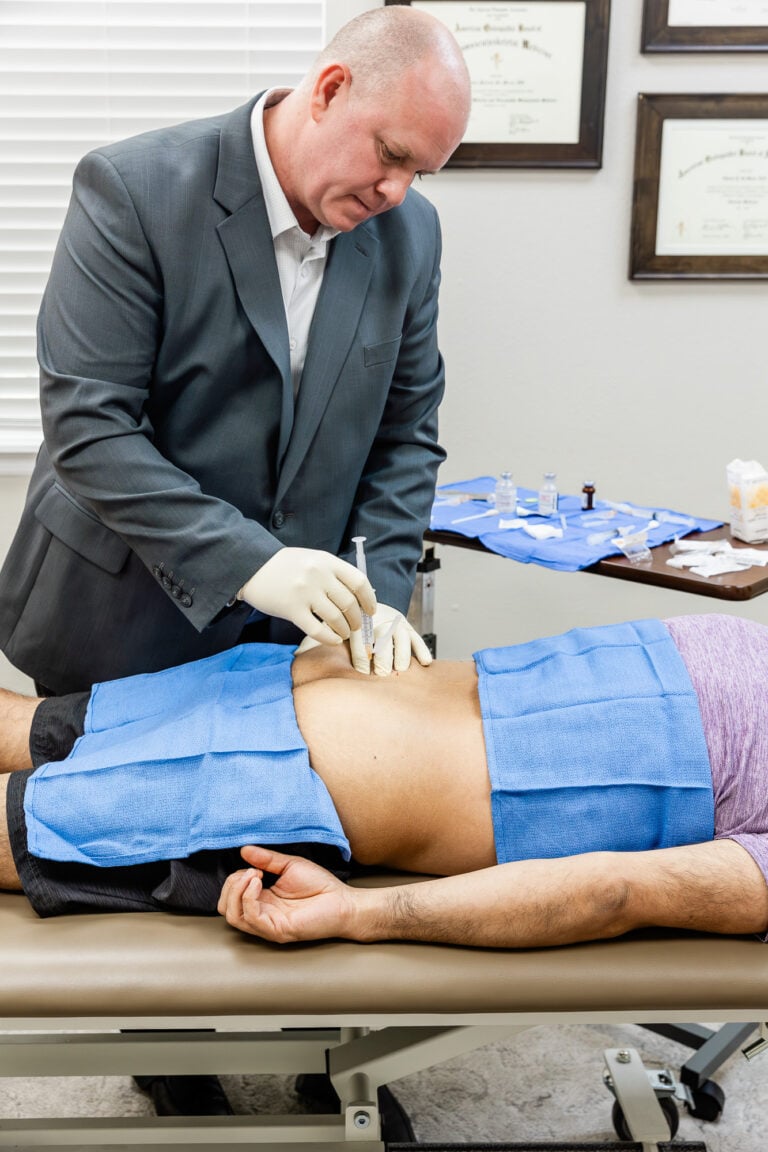
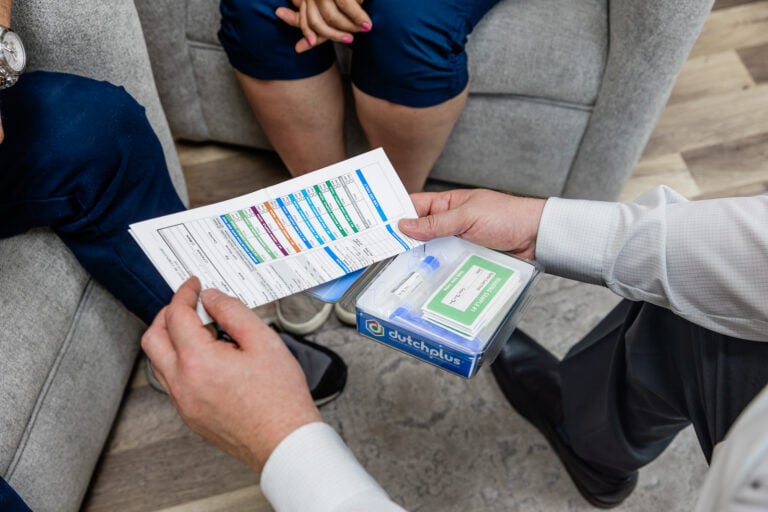
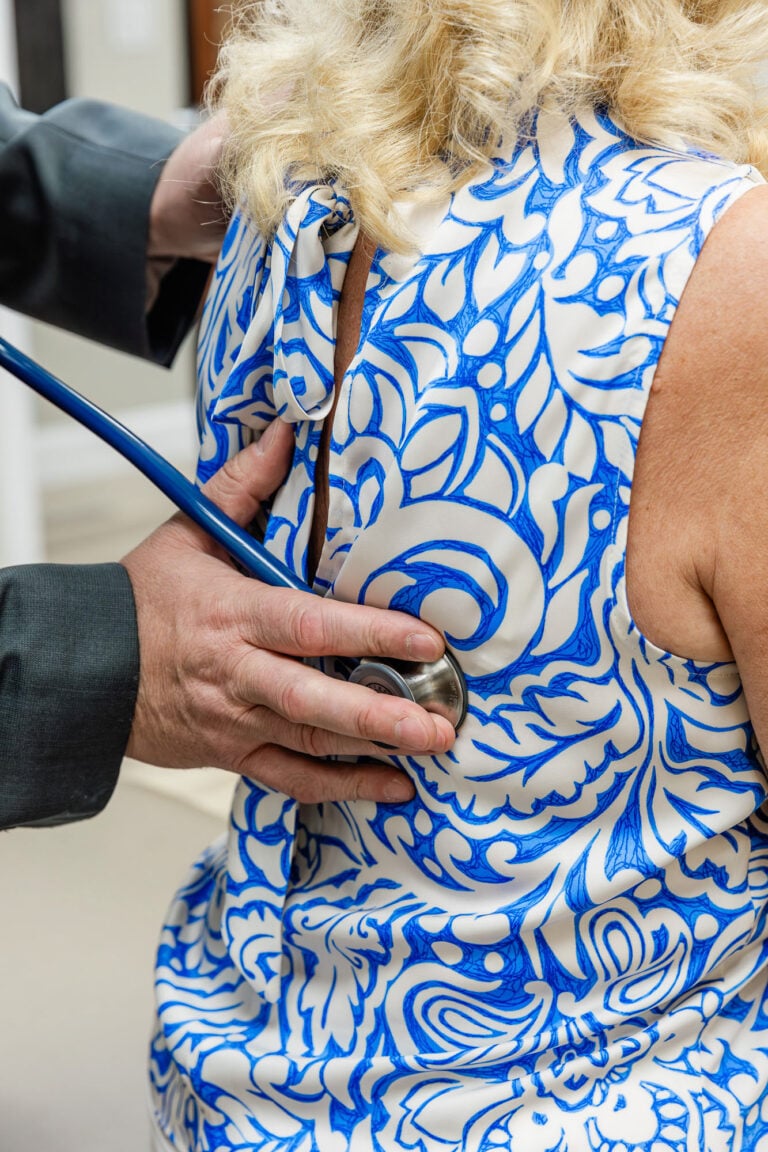
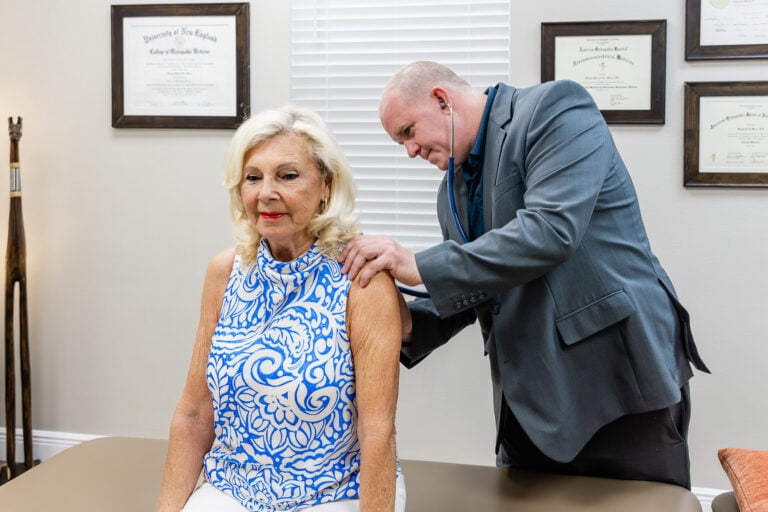
Inside our Baldwin Park office